

Messy Edgar Haircut: How to Get the Undone Look Without Losing the Shape
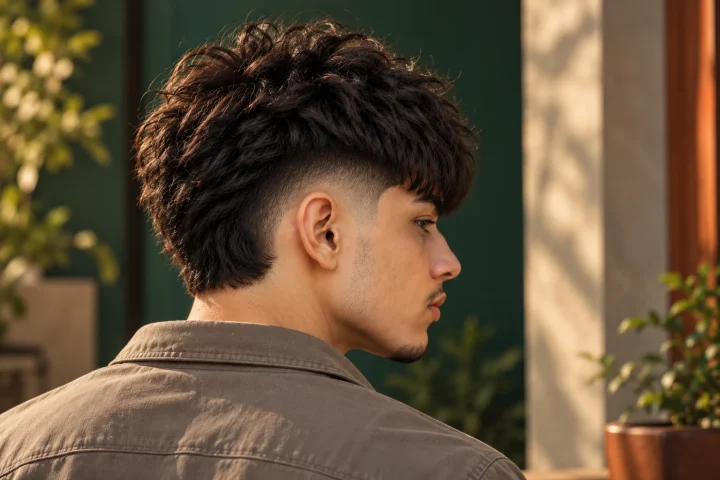
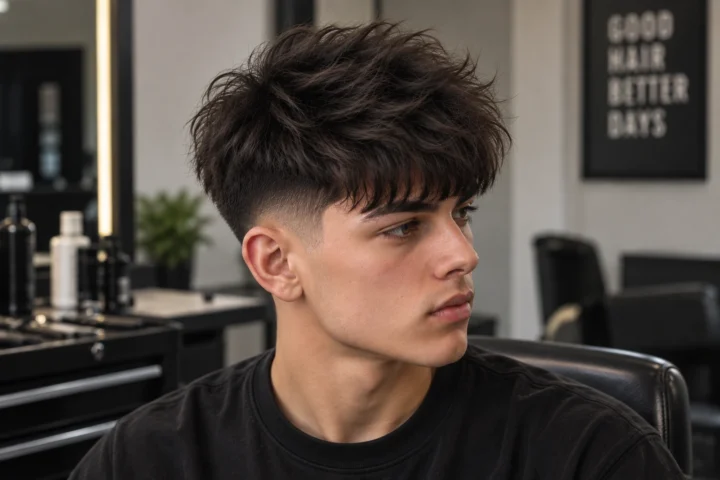
A Messy Edgar Haircut looks relaxed, but getting it right takes more thought than simply running your hands through your hair. The appeal comes from the contrast: a recognizable Edgar fringe at the front, a deliberately tousled top, and enough structure around the sides to keep the haircut looking intentional.
That balance matters. Too much styling can turn a messy Edgar into a stiff, spiky haircut, while too little control can leave the top looking shapeless. The best version has movement and separation without losing the forward direction that makes an Edgar recognizable.
Whether your hair is straight, wavy or naturally thick, the result depends on three things: how the top is cut, how the fringe is shaped and how you style the hair afterward. This guide explains how to get those details right, choose a version that works with your natural hair and communicate the look clearly to your barber.
What Makes a Messy Edgar Different From a Regular Edgar?
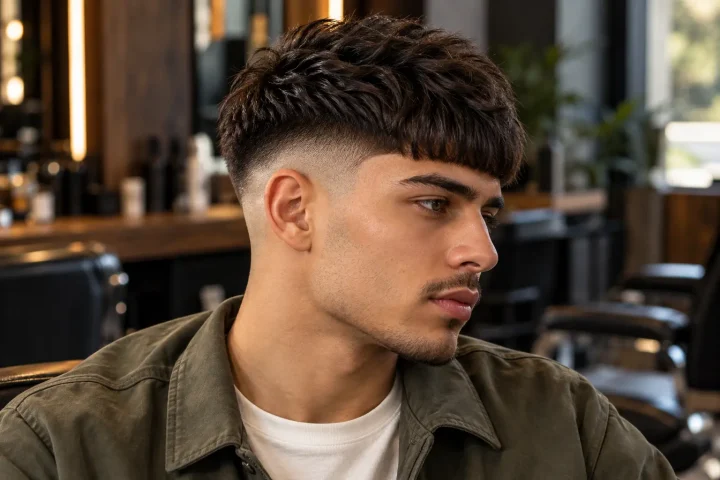
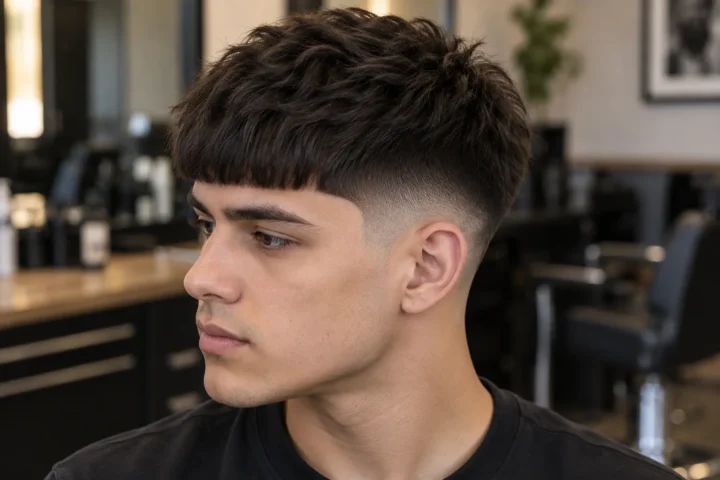
A traditional Edgar haircut relies on a defined forward fringe and a relatively controlled top. The sides may be faded or tapered, but the overall appearance is usually clean and geometric.
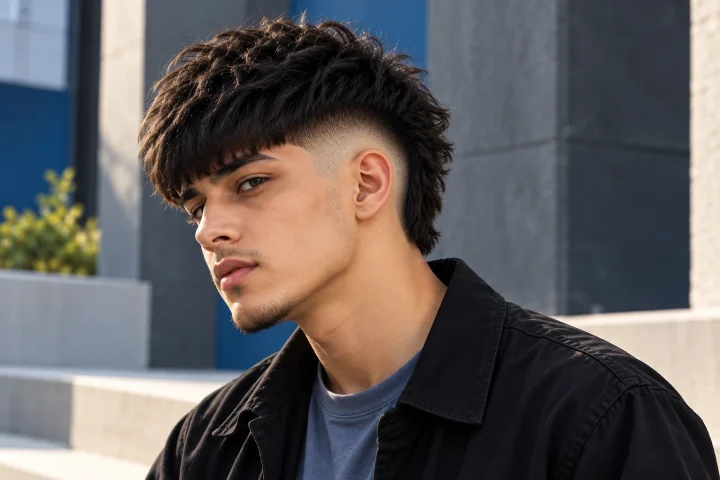
A Messy Edgar keeps that recognizable foundation while allowing the top to look less uniform. Individual sections can move in slightly different directions, some strands can sit higher than others, and the fringe may have a softer, more irregular finish. The result is casual rather than perfectly arranged.
The important difference is that the disorder is deliberate. A good messy Edgar still has a planned silhouette, a clear relationship between the top and sides, and enough weight toward the front to preserve the haircut’s identity.
It also does not require a particular fade height. You can wear a messy top with a low taper, a more noticeable fade or a fuller side profile. The fade changes the contrast, while the messy finish changes how the hair on top behaves.
The Fringe Is What Keeps the Haircut Looking Like an Edgar
The fringe is the most important detail to settle before asking for a messy finish. If the front becomes too long, heavily swept to one side or pushed completely upward, the haircut can begin to resemble a general textured crop rather than an Edgar.
For a controlled messy look, the fringe should still move forward and create a recognizable edge across the forehead. It does not need to form one perfectly straight line. A few separated strands or a lightly broken outline can soften the haircut without removing its defining shape.
How sharp that edge should be depends on the result you want. A cleaner fringe creates a stronger contrast with the irregular top, making the messiness look more intentional. A softer fringe gives the haircut a more relaxed appearance, although it requires enough density and forward direction to remain recognizable.
Avoid asking your barber to remove excessive weight from the entire front section. If the fringe becomes too thin, the hair may separate into sparse pieces and lose the solid appearance that makes an Edgar distinctive. It is usually better to keep some strength in the front while introducing movement through the top and ends.
How Much Top Length Do You Need for a Messy Edgar?
A messy finish needs enough length for the hair to separate, bend or change direction. When the top is cut extremely short, there may be little room to create visible movement, especially on straight hair that naturally lies flat.
For many straight or slightly wavy hair types, approximately 5–8 cm of top length can be a useful starting point for a noticeable tousled finish. This is a discussion range rather than a universal cutting rule. Dense hair may need weight reduction, while finer hair may benefit from retaining more fullness so the scalp does not become too visible.
The barber also needs to consider how the hair grows. A strong cowlick near the crown, a naturally forward-growing fringe or hair that sticks up at the front can change how the same length behaves. Reference photographs are most useful when the model has hair density and growth characteristics reasonably similar to yours.
Length alone will not create the look. If every section is cut and styled into a smooth, solid shape, a longer top can still appear heavy and flat. The aim is to leave enough hair for movement while creating a controlled outline that works even when the strands are not arranged perfectly.
Why More Layers Are Not Always Better
Layering and point-cutting can help break up a dense top, but excessive thinning can create the opposite of the intended effect. Instead of natural-looking separation, the hair may become wispy, difficult to direct or uneven around the fringe.
This is particularly important for fine hair. Removing too much bulk can make the top look less substantial, even if the haircut technically contains more texture. With very thick hair, selective weight removal can make styling easier, but the barber should preserve enough density to support the front and overall silhouette.
A good approach is to explain the finish you want rather than requesting aggressive thinning everywhere. Ask for movement through the top while keeping the fringe strong enough to read as an Edgar.
Three Ways to Wear a Messy Edgar Haircut
Not every messy Edgar needs dramatic height, long layers or a high-contrast fade. The best variation is the one that gives your natural hair enough freedom to move without creating more daily work than you want.
Short Messy Edgar: Controlled and Easy to Wear
A short Messy Edgar Cut keeps the overall silhouette compact, with small irregular sections rather than dramatic movement. The fringe remains forward, and the top has just enough length to separate with your fingers.
This version suits people who prefer a tidy outline but dislike the rigid appearance of a completely smooth top. It can also be practical for someone who does not want to use a blow-dryer every morning. The trade-off is that very short hair offers less visible movement, so the finish may look more subtly textured than noticeably tousled.
A small amount of lightweight matte product can help create separation, but the haircut should not depend on heavy styling to hold its shape. If you need to force every strand into position, the top may be too short or too uniformly cut for the reference look you want.
Messy Edgar With a Low Taper: Relaxed Top, Cleaner Edges
Pairing a messy top with a low taper creates a contrast between the deliberately irregular hair above and the more controlled transition around the lower sides and sideburns. Because more hair remains through the upper sides, the overall haircut can look fuller and less severe than a strong skin fade.
This combination works particularly well when you want the top to be the main feature. The taper should support the shape rather than dominate it, while the fringe stays sufficiently defined to anchor the front.
If your main decision is how low the taper should sit, how much side weight to preserve or how to explain the transition to your barber, our Low Taper Edgar Haircut guide covers those details separately.
Longer Messy Edgar: More Movement, More Control Needed
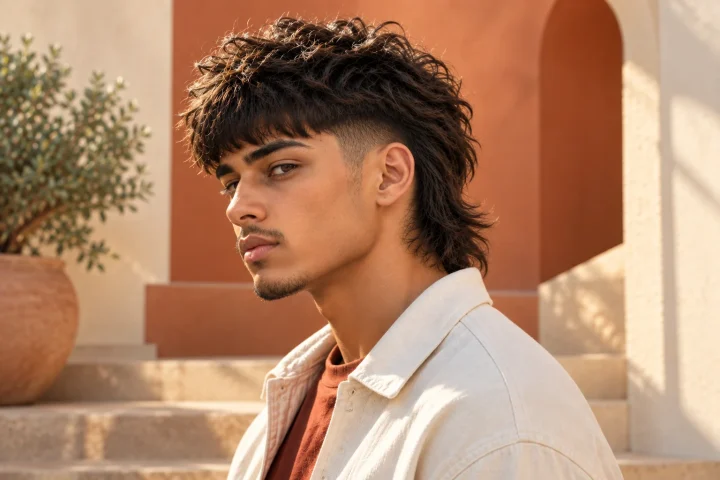
A longer messy Edgar allows the top to bend, separate and move more noticeably. It can produce a softer outline, especially on wavy hair, and gives you more freedom to change the finish from one day to the next.
However, extra length also adds weight. Hair that looks naturally tousled immediately after drying may flatten later, while a long fringe can begin to cover the eyes or lose its recognizable Edgar shape. Longer does not automatically mean messier in a good way.
This variation works best when the barber balances the front, crown and side weight instead of simply allowing every section to grow. If you want substantially more length through the back as well, you may be moving toward an Edgar Mullet rather than a longer version of the standard messy Edgar.
Messy vs Textured vs Fluffy Edgar: What Actually Changes?
These terms are often used together, but they describe different qualities of a haircut. Understanding the distinction helps you avoid showing your barber a photo that communicates the wrong result.
A messy Edgar describes the finish. The hair is arranged in a deliberately irregular way, with sections that do not all sit neatly together. It can be relatively flat, moderately lifted or slightly voluminous depending on the hair type.
A textured Edgar emphasizes visible separation and movement. That texture may come from the natural hair pattern, the cutting technique or styling products. A textured haircut can still be neatly arranged, so texture does not automatically make it messy.
A fluffy Edgar is mainly about softness, lift and airy volume. The top generally looks fuller and lighter rather than flat or tightly controlled. It can have a messy finish, but it does not need one. If height and volume are your main priorities, our Fluffy Edgar Haircut guide is the more relevant reference.
The practical question is what you want people to notice first. Choose messy if you prefer a casual, undone finish; textured if you want clearly separated strands; and fluffy if you want a lifted, airy top. Your haircut can combine these features, but one should lead the styling decision.
How Natural Hair Texture Changes the Messy Look
The same reference photograph will not behave identically on every head of hair. Natural texture, density, growth direction and even the way your hair dries can affect how much effort is needed to achieve the finish.
Straight hair often creates a sharper fringe and cleaner overall outline, but it may need extra grip to stop the top from falling into one smooth shape. A light matte paste or texture powder can help separate sections without making them look wet. The aim is to create movement rather than build unnecessary height.
Wavy hair can produce an undone finish more naturally because the strands already bend and change direction. The main challenge is controlling excess bulk or frizz while keeping the fringe recognizable. A light styling cream or a small amount of matte product may be enough, especially if the hair is shaped with fingers while drying.
Curly hair brings its own volume and separation, but it also changes how the fringe sits. Trying to force curls into a perfectly straight line can make styling frustrating and may work against the natural shape. A messy finish can work well with curls, provided the front and sides are planned around their actual spring and density. For curl-specific cutting and fringe choices, see our Curly Edgar Haircut guide.
Very dense hair can hold a strong silhouette but may become bulky when the top is left too heavy. Selective internal weight removal can make the hair easier to separate while preserving the fuller appearance that makes the cut attractive. Avoid removing so much density that the fringe becomes thin or disconnected from the rest of the top.
Rather than choosing a variation based only on a model’s appearance, look for references that show hair behaving similarly to yours. That gives your barber a more realistic starting point.
What to Tell Your Barber for a Messy Edgar
The phrase “messy Edgar” describes the overall look, but it leaves several important decisions open. One barber may interpret it as a short, choppy crop with a fade, while another may leave considerably more length and use a softer taper.
A clearer request would be:
“I want an Edgar haircut with a recognizable forward fringe, but I don’t want the top looking flat or perfectly combed. Please leave enough length for a natural messy finish, create some separation without thinning the fringe too much, and keep the sides similar to this reference photo.”
Then show the barber photographs from the front and side. The front should demonstrate how defined or broken you want the fringe, while the side should show the top length and the taper or fade you prefer.
It also helps to explain your normal routine. If you rarely blow-dry your hair, tell the barber before the cut begins. A haircut designed around daily heat styling may not look the same when you simply towel-dry it and leave the house.
Ask the barber to consider your crown and growth direction as well. A top that looks balanced in one photograph may behave differently if your hair naturally grows forward, upward or across the head.
How to Style a Messy Edgar in a Few Minutes
The goal of daily styling is not to create random spikes. You want enough movement for the top to look relaxed while preserving the fringe and overall direction of the haircut.
Start With Hair That Is Slightly Damp
After washing, gently remove excess water with a towel rather than aggressively rubbing the hair. Slightly damp hair is easier to direct, particularly if your top tends to dry into a flat or uneven shape.
Use your fingers to guide the fringe forward and loosen the sections behind it. Do not worry about making every strand identical. At this stage, you are establishing the general direction rather than the final finish.
Dry for Movement, Not Maximum Volume
If your hair naturally holds the desired shape, you may be able to let it air-dry. For straight or heavier hair that falls flat, use a blow-dryer on a moderate setting while moving the top with your fingers.
Direct most of the hair forward, then gently lift and separate selected sections as they dry. Avoid blowing everything straight upward, because that can produce a fluffy or spiky result instead of the lower, irregular movement associated with a messy Edgar.
Keep the fringe under control throughout the process. You can loosen its edge slightly at the end, but repeatedly pushing the entire front backward will change the haircut’s identity.
Apply a Small Amount of Matte Product
Once the hair is mostly dry, warm a small amount of matte paste or clay between your palms and work it through the top. Begin with less than you think you need, especially if your hair is fine or naturally oily.
Use your fingertips to separate small sections, gently twisting or lifting only where the hair needs more definition. Focus on the middle and upper portions of the top rather than coating the fringe heavily. Too much product near the front can make it clump together or appear greasy.
For fine hair, a lightweight texture powder may provide grip without the weight of a heavier clay. For dry or wavy hair, a softer styling cream may feel more comfortable. The right choice depends on how your hair responds, not on a single product that supposedly works for everyone.
Stop Before the Hair Looks Overworked
This is where many messy hairstyles go wrong. Once the top has visible separation and a relaxed outline, continuing to rearrange it can make the result look artificial.
Check the front and side in a mirror. The fringe should still look like an Edgar, the top should have movement, and the sides should remain balanced. A few uneven strands are part of the style; a completely collapsed or excessively spiky silhouette is not.
On most days, a small adjustment with your fingers should be enough. If you need to rebuild the entire hairstyle every morning, the haircut or product choice may need adjusting.
Why Your Messy Edgar Doesn’t Look Like the Reference Photo
A messy Edgar can be surprisingly easy to get wrong because the reference may look effortless while hiding important cutting and styling decisions.
The top is too short. Without enough length, straight hair cannot form the separated sections visible in many reference photos. Adding more product may make it stiff, but it will not create movement that the haircut cannot support.
The fringe is too thin or broken. Some irregularity is useful, but removing too much weight from the front can make the haircut lose its Edgar identity. Ask for a stronger fringe with texture concentrated more selectively through the top.
The hair is styled too high. A messy Edgar does not necessarily need dramatic root lift. If the top stands straight upward, the result may resemble a spiky crop or fluffy Edgar rather than the lower, tousled finish you intended.
The product is too heavy. Thick waxes, excessive clay or wet-look gels can cause strands to stick together and make the hair appear greasy. Try using less product or switching to a lighter finish before changing the haircut.
The sides do not match the reference. A high skin fade creates a very different silhouette from a low taper, even when the top is identical. Compare the side and rear views instead of focusing only on the fringe.
Your natural hair behaves differently. A model with dense wavy hair may achieve visible separation without much effort, while fine straight hair may need more deliberate styling. The goal should be an adapted version that suits your hair, not a perfect copy of another person’s growth pattern.
If the haircut repeatedly loses its shape, show your barber how it looks after a normal day rather than only presenting the original reference. That can reveal whether the issue is length, weight distribution, growth direction or styling technique.
Keeping a Messy Edgar Looking Intentional as It Grows
A messy finish can disguise small changes in top length, but it does not eliminate the need for maintenance. As the fringe grows, it may begin to cover more of the forehead or lose its intended outline. At the same time, the sides can become heavier and change the overall balance.
Many people will benefit from a shape-up or haircut roughly every three to five weeks, depending on hair growth, fade choice and how sharp they want the fringe to remain. Very close fades may need attention sooner, while softer tapers can often tolerate a little more growth.
Between appointments, keep the hair clean enough that styling products do not build up and weigh down the top. If you use clay or powder regularly, wash according to your scalp’s needs and the product instructions. Avoid repeatedly adding fresh product over several days without removing the previous buildup.
When the top becomes too long, resist automatically asking the barber to cut everything shorter. Sometimes the haircut only needs selective weight removal or a fringe adjustment. Explain which part has stopped behaving correctly so the barber can preserve the length that still works.
Is a Messy Edgar the Right Choice for You?
A Messy Edgar Haircut is a good option if you like the recognizable Edgar shape but want a less rigid, more relaxed appearance. It offers flexibility because the top can look deliberately undone while the fringe and sides keep the haircut structured.
It is particularly appealing when your hair already has some natural movement, or when you are willing to spend a few minutes creating separation with your fingers and a lightweight styling product. You do not need dramatic volume or a severe fade to make the style work.
However, it may not be the best choice if you want a completely maintenance-free haircut, strongly dislike styling products or prefer every strand to stay neatly arranged. In those cases, a shorter, more controlled Edgar may be easier to live with.
The most successful version is the one that still looks good after the initial styling has relaxed. Choose the fringe, top length and side treatment around your natural hair rather than trying to recreate every detail of a photograph.
Messy Edgar Haircut FAQs
Is a Messy Edgar the same as a Textured Edgar?
Not exactly. Messy refers to the deliberately irregular way the hair is arranged, while textured refers to visible separation and movement in the hair. A messy Edgar often uses texture, but a textured Edgar can also be styled neatly.
Can you get a Messy Edgar with straight hair?
Yes. Straight hair can create a clear fringe and a controlled messy top, although it may need enough length and a lightweight styling product to maintain separation. Selective cutting techniques can help create movement without sacrificing too much density.
Does a Messy Edgar need a fade?
No. A messy Edgar can work with different taper and fade choices because the messy effect comes primarily from the top. The side treatment changes the contrast and silhouette rather than defining whether the haircut is messy.
How long should the top be for a Messy Edgar?
There is no single required length. For many straight or slightly wavy hair types, around 5–8 cm can provide room for noticeable movement, but the best length depends on density, growth direction and how dramatic you want the finish.
Is a Messy Edgar hard to maintain?
It usually requires some daily attention, but the routine can be simple once the haircut is shaped correctly. Light drying, finger styling and a small amount of product may be enough. The fringe and sides still need periodic trims to maintain the overall outline.
What product works best for a Messy Edgar?
A lightweight matte paste, clay or texture powder can help create separation without a glossy finish. Fine hair generally benefits from lighter products, while thicker hair may need more control. Start with a small amount and adjust based on how your hair responds.
A Good Messy Edgar Has More Shape Than You Think
The difference between a successful messy Edgar and an ordinary untidy haircut is the structure underneath. A recognizable fringe, a balanced top and a suitable side profile give the hair enough definition to look intentional even when individual strands are out of place.
Choose how much movement you want, keep enough length for your natural hair to cooperate, and make sure your barber understands that the goal is controlled irregularity rather than random spikes or excessive volume. When those decisions are right, the messy finish becomes easier to create—and easier to wear every day.